DRY AGER South Africa, which supplies the German-engineered DRY AGER range locally
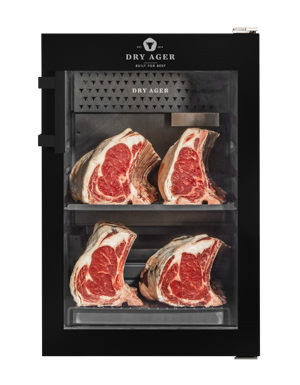
Only one in three top steakhouses serves dry-aged beef. So what does it take for a dry-ageing cabinet to earn its place?
DRY AGER South Africa, which supplies the German-engineered DRY AGER range locally, outlines what restaurants and butcheries should consider before bringing dry-ageing in-house.
Dry-aged beef remains one of the rarest items on South African steakhouse menus. Of a selection of Johannesburg and Cape Town steakhouse menus reviewed in October 2026, only a handful list dry-aged beef. Where it is offered, it typically costs 18–29% more per gram than the same restaurant’s standard wet-aged cut.
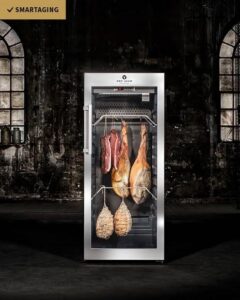
For chefs and butchers, that gap is an opportunity: a product few competitors offer, and one guests are willing to pay more for. But a dry-ageing cabinet only earns its place when the offering around it is properly planned, and when the equipment delivers the same result, batch after batch. That is where German engineering makes the difference.
A dry-ageing cabinet controls temperature, humidity and airflow to create the conditions for meat to mature over several weeks.
As moisture gradually evaporates, natural flavours become more concentrated, while enzymes in the meat break down muscle proteins to improve tenderness. Together, these processes develop the deeper, richer taste and tender texture associated with dry-aged meat.
Designed and engineered in Germany, DRY AGER cabinets are the only dry-ageing units on the market to combine all of the following features:
• SmartAging® technology: preset programmes tailored to specific products, from beef and game to fish, cheese and charcuterie.
• HumiControl® dry-ageing system: precise humidity control for consistent results from one batch to the next.
• Active UVC sterilisation: UVC light helps keep the environment inside the cabinet hygienic throughout the ageing process.
• Plug-and-play setup: no water connection is required, so a cabinet can be installed wherever there is a power supply.
• Integrated weight-loss reduction design: built to reduce weight loss during ageing, so operators keep more saleable meat from every cut.
“Dry-aged beef stands out on a menu because so few places offer it. But the cabinet is the easy part,” says Jaco Campher, Head of Sales at DRY AGER South Africa. “The operators who succeed start with the dish they want to be known for, then work back to the volumes, the yield and the equipment.”
At Iron Steak and Bar in Cape Town, Group Executive Chef Justin Barker ages cuts like sirloin, ribeye, and T-Bone in-house using specialised Dry Ager cabinets set right in the dining room. He explains: “Being able to differentiate with our clientele using the beef we’re using, both from our supplier and in-house, gives us a massive opportunity for our clients to know what we are doing and how we are doing it. It gives us complete control over the process and brings a level of professionalism and standard that I’d recommend to anybody.”
DRY AGER South Africa suggests operators answer five questions before investing:
1. What will your signature be? Choose the cut, how long it will age, and how it will be presented and priced on the menu or counter.
2. How much will you sell? Expected weekly sales decide the cabinet size and how much stock is ageing at any one time.
3. What is the finished yield? Meat loses moisture as it ages and the dry outer crust is trimmed, so price on the final saleable weight, not the purchase weight.
4. Where will it stand? A cabinet in guests’ view adds theatre and gives staff a story to tell. No water connection is needed, but plan the space, ventilation and power supply early.
5. What support is available? Training, installation and local after-sales service help a kitchen get consistent results from the first batch.
DRY AGER South Africa works with chefs, butchers and hospitality operators to assess whether in-house ageing fits their business. For more information, product advice or a consultation, contact the team via the website.
About DRY AGER
DRY AGER is a German manufacturer of purpose-built dry-ageing cabinets and larger ageing systems for professional and private use. Its equipment serves restaurants, butcheries, hotels and specialist food producers. DRY AGER South Africa supplies the range locally, with product advice, installation and after-sales support.
For more information, visit www.dryager.co.za
