Electric Forklifts: Powering the Next Phase of Materials Handling
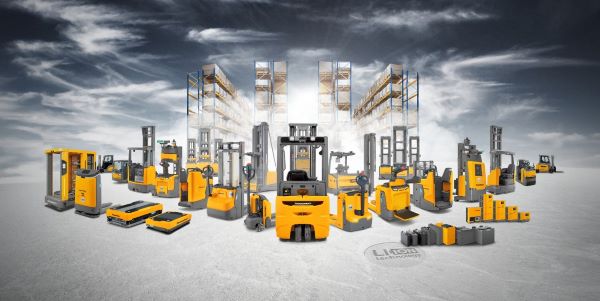
Jungheinrich’s electric forklift range have moved from being a niche indoor option to a strategic choice for modern operations.
Across manufacturing, logistics, warehousing and retail distribution, the conversation around materials handling is changing. Businesses are no longer measuring forklift performance only by lift capacity or purchase price. Today, the focus is on productivity, energy efficiency, operator safety, sustainability and total cost of ownership. In this environment, electric forklifts have moved from being a niche indoor option to a strategic choice for modern operations.
Drawing on Jungheinrich’s electric forklift range, we look at the factors driving the shift to electric-powered materials handling and how selecting the right truck for the application can help businesses improve efficiency, performance and long-term operational value.
A Stronger Business Case for Electric
The growth of electric forklifts has been driven by significant advances in battery technology, intelligent controls and fleet management systems. Modern electric forklifts are built for demanding operational environments, offering the power, precision and reliability needed in busy warehouses and distribution centres. For many companies, the decision to go electric is now less about environmental positioning and more about measurable operational value.
Although electric forklifts may require a higher initial investment than some internal combustion alternatives, their long-term cost profile can be compelling. Lower energy consumption, reduced exposure to diesel or LPG price fluctuations, fewer moving parts and less frequent servicing all help reduce operating costs over the life of the equipment. For businesses focused on uptime, cost control and return on investment, this makes total cost of ownership a key part of the electric forklift business case.
Energy efficiency is another major advantage. Technologies such as regenerative braking help recover energy during operation, while lithium-ion battery options support faster charging, longer runtime and more flexible use across multiple shifts. This can simplify fleet planning and reduce downtime, particularly in high-utilisation environments where equipment availability directly affects throughput.
Electric forklifts also support cleaner and more comfortable working environments. With zero local emissions during operation, they help improve air quality in enclosed spaces such as warehouses, production areas and retail distribution centres. Their quieter operation can reduce noise fatigue and support clearer communication on the floor. For sectors such as food, pharmaceuticals, manufacturing and retail, where air quality, safety and process consistency are critical, these benefits are increasingly important.
The latest electric forklifts are also increasingly connected. Telematics and fleet management systems allow businesses to monitor utilisation, battery status, operating hours, travel patterns and impact events. This visibility supports better maintenance planning, safer operating behaviour and more informed decision-making. Instead of reacting to breakdowns, managers can identify performance trends and address issues before they disrupt operations.
Matching the Truck to the Application
Choosing the right electric forklift depends on the layout of the facility, the type of load being handled, lift heights, aisle widths, shift patterns and the intensity of the operation. A well-matched fleet can improve productivity and reduce unnecessary equipment spend.

Electric counterbalance forklifts remain one of the most versatile options for general materials handling. Used for moving palletised goods, loading and unloading vehicles, and supporting goods receiving or dispatch areas, they offer a strong all-round solution. Three-wheel models are useful where manoeuvrability is required, while four-wheel models provide greater stability for heavier loads and more demanding applications.
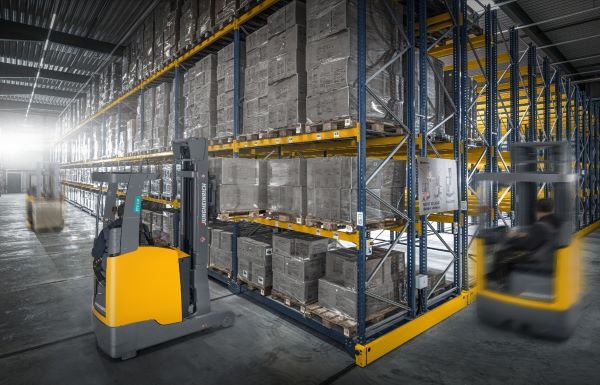
Reach trucks are designed for warehouses that need to maximise vertical storage without widening aisle layouts. Their compact design and extendable mast allow pallets to be placed and retrieved at height, making them ideal for high-bay warehouses, distribution centres and narrow-aisle operations where storage density and throughput are priorities.

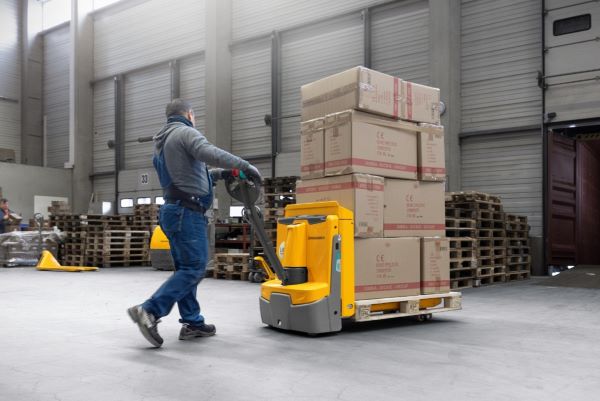
Stackers bridge the gap between pallet trucks and larger warehouse trucks. They are compact, practical and well suited to light or medium-duty applications where both horizontal movement and moderate lifting are required. In smaller warehouses, back-of-store areas and secondary storage zones, electric stackers can improve efficiency without the need for larger equipment.
Order pickers support operations where individual items, cartons or smaller quantities need to be selected rather than full pallets. By allowing the operator platform to rise with the load, they provide direct access to stock stored at different levels. This makes them valuable in e-commerce, retail distribution and spare parts environments where speed, accuracy and ergonomic picking are essential.
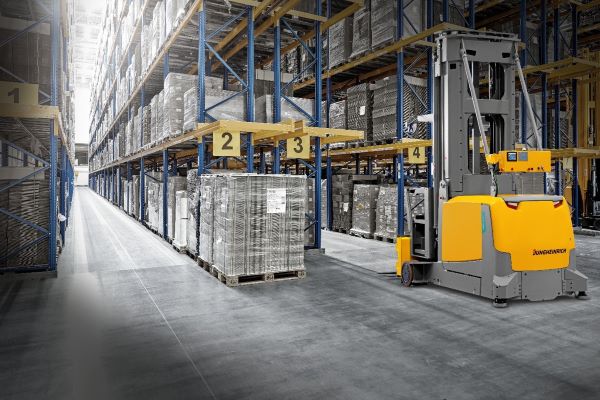
Very Narrow Aisle trucks are built for operations where storage density is critical. By working in extremely narrow aisles and lifting to significant heights, VNA trucks help companies make better use of available floor space. Guided systems, high lift capability and precise control support efficient storage and retrieval in high-volume distribution environments.
Choosing the right solution requires a clear understanding of the application. Businesses should consider load capacity, lift height, aisle width, duty cycle, shift patterns, charging infrastructure and battery technology. The right choice should balance performance, safety, energy efficiency and long-term ownership cost, while supporting broader operational and sustainability goals.
A Future-Ready Investment
Electric forklifts bring together productivity, sustainability and intelligent technology in a way that responds directly to the pressures facing modern supply chains. They offer cleaner operation, lower operating costs, improved operator comfort and the data visibility needed to manage fleets more effectively.
For B2B decision-makers, the shift to electric should be viewed not simply as an equipment replacement, but as an opportunity to build a more agile, cost-effective and future-ready operation. Whether the requirement is horizontal transport, high-level storage, order picking or high-density warehousing, the right electric forklift solution can unlock measurable value across the business.
For more information about our warehouse solutions visit https://www.jungheinrich.co.za
Or contact us directly at +27 10 596 8460 or email [email protected]
